
2027 Strategy
Video Marketing Trends 2027: An Evidence-Led Guide
18 September 2026 · 14 min read · By Orion Media Group
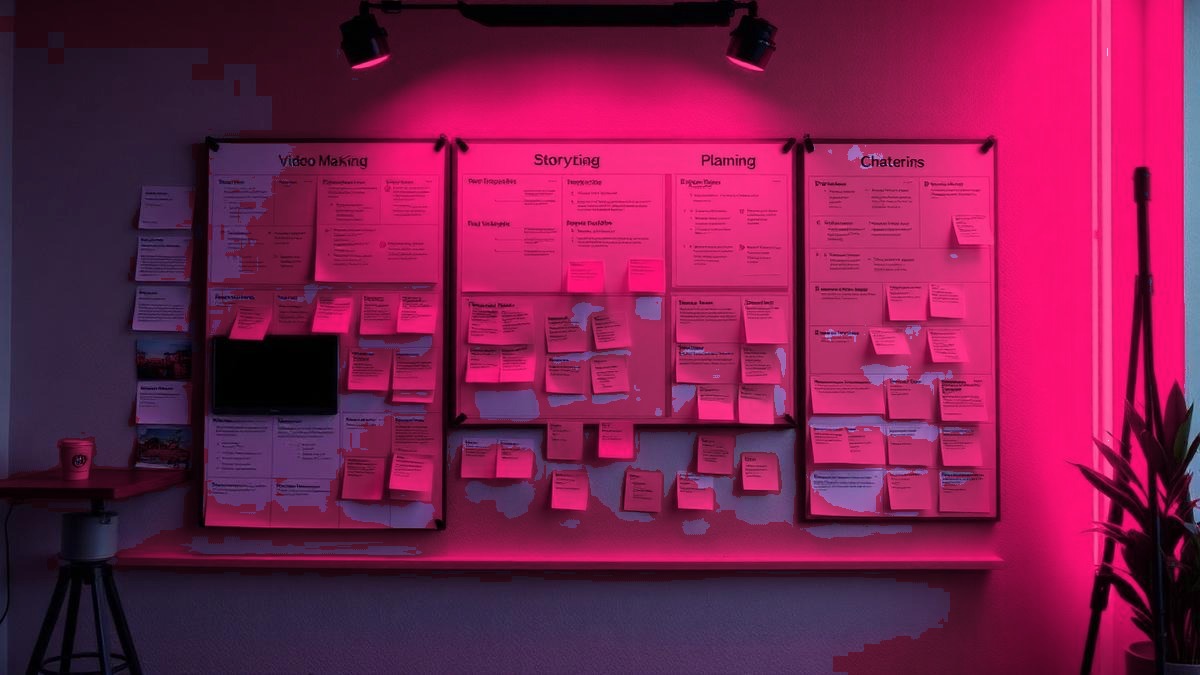
Most predictions about video marketing in 2027 are lists of new features. Features matter less than the operating changes underneath them: discovery is fragmenting, production volume is rising, and businesses are being asked to prove that attention led somewhere commercially useful.
This guide separates evidence from forecast. The evidence comes from current platform guidance and published industry research. The 2027 recommendations are our interpretation of what a business should build now—not claims that an unreleased algorithm is guaranteed to behave a certain way.
The practical conclusion is simple: the advantage will not belong to the brand that makes the most video. It will belong to the brand that can turn one clear point of view into platform-native assets, test them quickly, retain what works and connect the results to enquiries or sales.
1. Search and social video become one discovery system
People no longer separate search from social discovery cleanly. They look for demonstrations, reviews and explanations in social feeds, then confirm what they found through search engines or AI answers. A useful video therefore needs to work as both a feed asset and an answer to a specific question.
For 2027 planning, organise video around buyer questions rather than platform trends. A title, spoken opening, caption and landing page should all make the same promise. This gives one idea several routes to discovery without publishing the identical cut everywhere.
- Answer one buyer question per video.
- Say the subject plainly in the opening instead of relying on a clever reveal.
- Publish a supporting page when the answer needs evidence, examples or a next step.
2. A connected short-form and long-form system beats isolated clips
Short-form earns the first moment of attention; long-form builds context and trust. Treating them as separate calendars wastes both. A strong interview, webinar, customer conversation or founder recording can supply the argument for a longer piece and the raw material for multiple focused clips.
The important change is editorial, not mechanical. Each short clip should stand alone and earn its own opening, while the longer piece should reward the viewer with depth. Simply cutting a random sixty seconds from a podcast produces neither.
- Record around a defined buyer problem, not an open-ended conversation.
- Mark self-contained claims and stories during the recording.
- Edit distinct hooks for each short cut instead of copying the long-form introduction.
3. Proof becomes the premium production value
As competent synthetic footage becomes easier to produce, visual polish alone becomes less persuasive. Real demonstrations, named experts, customer language, process footage and original results are harder to imitate and more useful to a buyer.
This does not mean every video should look rough. It means production should make evidence easier to see. Show the product operating, the person responsible for the opinion, the constraint behind a decision and the outcome that can be substantiated.
- Replace generic claims with demonstrations.
- Keep source material for any number or result you publish.
- Use a consistent expert or founder where trust affects the sale.
4. Creative testing becomes a production discipline
Paid platforms continue to automate audience delivery, which makes the message and execution a larger share of what a marketing team can control. A single finished campaign film is fragile because it gives the account one angle and no learning system.
Build batches around distinct hypotheses: the problem, the desired outcome, the objection, the proof and the alternative. Then vary openings only after an angle shows promise. This produces useful learning instead of a folder of cosmetic variations.
- Name the hypothesis before filming.
- Change one major variable at a time when the budget allows.
- Log winners and failures so future briefs inherit the learning.
Need a reliable flow of organic and paid video? Media Strategy Lab can plan, edit and test the content system with your team.
Book a call5. Accessibility and silent viewing stay non-negotiable
Captions, readable on-screen text, clean audio and safe framing are not finishing touches. They determine whether the idea survives muted viewing, different devices and placement-specific interface overlays.
Create a master with enough visual space to adapt properly. A horizontal crop squeezed into a vertical frame usually hides the subject or wastes the screen; a vertical version should be composed for the placement from the start.
6. Measurement moves from views to assisted demand
Views tell you distribution happened, not whether the right people moved closer to buying. For business content, evaluate the chain: qualified reach, retained attention, high-intent action, enquiry quality and sales influence.
Not every video closes a sale directly. Use consistent campaign links, ask leads how they found you, record content-assisted opportunities in the CRM and compare formats over a meaningful period. The aim is not perfect attribution; it is enough evidence to make the next production decision better.
7. A practical 2027 video operating plan
Choose one commercial audience, three recurring buyer problems and one recording rhythm the team can sustain. Produce a monthly anchor recording, derive several self-contained vertical videos, reserve capacity for paid variations and review results before the next brief.
The businesses that win will have a learning loop, not merely a calendar: evidence informs the script, production creates testable assets, distribution reveals response and the response changes the next production cycle.
- Monthly: record one evidence-rich anchor session.
- Weekly: publish platform-native cuts and test openings.
- Fortnightly: move organic winners into paid testing where appropriate.
- Monthly: review enquiries, sales influence and creative lessons.
If your business has expertise but no repeatable video engine, contact Media Strategy Lab. We will map the first recording, asset plan and distribution workflow around your buyer journey.
Book a callFrequently asked questions
- What is the biggest video marketing trend for 2027?
- The shift from isolated videos to connected production systems that create short-form, long-form and paid assets from shared evidence and buyer questions.
- Will short-form video still matter in 2027?
- Yes, particularly for discovery and testing. Businesses should connect it to deeper content and a clear next step rather than treating views as the final result.
- Should brands use AI-generated video?
- Use AI where it speeds transcription, versioning, research or routine production. Keep accountable human expertise, real demonstrations and verifiable proof at the centre of buyer-facing content.
- How should a business measure video ROI?
- Track retained attention and high-intent actions alongside qualified enquiries, sales influence and customer acquisition. Use campaign links and an intake question to reduce attribution gaps.
- How often should a business publish video in 2027?
- Choose a sustainable rhythm that keeps quality and learning intact. One well-planned monthly recording can supply a useful weekly cadence when the material is edited into distinct, platform-native assets.